Equipment
Equipment and scope
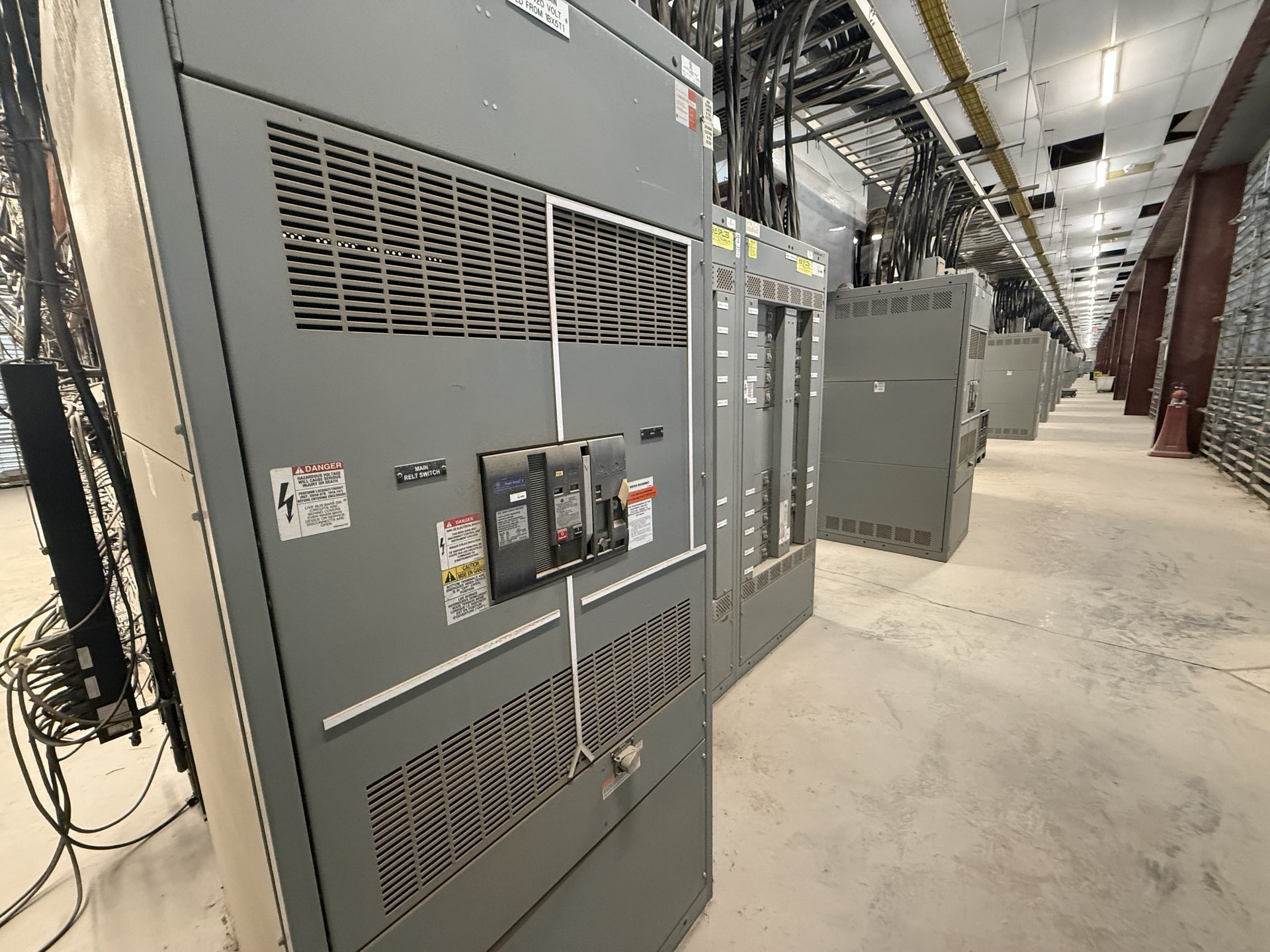
Switchgear can comprise multiple connected sections with incoming and outgoing circuits. Pictures of the complete lineup, section labels and any legible nameplates help explain the lot without anyone opening a cabinet. Note whether the lineup is intact, detached or still installed, and whether drawings or an existing equipment list are available.
Define what is available
Start by separating the electrical equipment offered for sale from items that must stay on site. An approximate count of lineups, sections or loose devices is helpful, along with a note about whether everything belongs to one owner. If gear is in several rooms, identify the rooms in the description. You can start with an incomplete inventory; we can discuss what additional information would help before an offer is finalized. For switchgear, specify whether the connected sections and installed breakers are included in the proposed sale or will stay behind.
Identify the equipment safely
Manufacturer, model, voltage and amperage on an existing nameplate or equipment schedule can make identification easier. A photograph of the exterior and the full lineup provides context that a close-up label cannot. Do not open doors, remove covers, touch conductors or approach an unsafe area for a photo. If the information is inaccessible, tell us what you know and we can discuss alternatives. When identifying switchgear, section labels and the lineup's nameplates can help distinguish the items without assuming every section is identical.
Tell us the present condition
A useful condition description can be simple: still installed, removed and stored, or partially dismantled. Mention visible damage or missing sections if known, and distinguish facts from assumptions. Seller testing is not required. There is no need to power up a device or attempt a repair to make an inquiry; existing photos and records can support an initial discussion. For switchgear, mention whether individual items are complete, separated or known to be missing; an unknown condition can simply be stated as unknown.
Consider access and site coordination
Site access involves more than a street location. Let us know whether the gear is behind other equipment, whether a truck can approach the building, and who can authorize entry. If you do not know those details, say so rather than arranging a move yourself. The buyer can discuss the appropriate access and lifting plan as the project scope becomes clear. If items in the lot of switchgear are in separate areas, describe the locations so access can be discussed for each group.
Rigging, disconnects and freight are on us
The buyer takes responsibility for rigging and logistics: crane, disconnects, rigging, loading, freight and hauling are on us. That means the seller is not being asked to lift or ship the equipment. Tell us where the gear is and who can provide site access; we will discuss the removal approach for the particular equipment and location. If any part of the switchgear is connected to equipment that will remain on site, flag that boundary for the buyer's removal plan.
Electrical safety and no seller testing
Do not assume equipment is de-energized because a facility is closing or a device appears unused. Keep away from exposed components and use existing safe records or exterior photographs for identification. We do not require the seller to test equipment. The buyer coordinates disconnects and removal with the people responsible for the site and electrical safety. For switchgear, do not remove or operate components simply to confirm a label or demonstrate their condition.
How the offer and payment work
We provide cash offers and payment upfront. Begin by sending the basic equipment and location details; we can discuss any remaining information needed to evaluate the lot and agree on the transaction. The offer depends on the actual equipment and scope, so there is no assumed price or guaranteed valuation. Review the terms directly before accepting an offer. The offer for switchgear is based on the actual lot, so identify any included accessories and any equipment that is excluded.
Plan around the actual project
If the property is still operating or demolition is planned, explain any known access windows or dependencies. Other contractors, ownership approvals and site rules can affect coordination. We do not promise a particular turnaround without understanding those details. The buyer can work through the proposed schedule and removal plan with the seller and the appropriate site contacts. If not all of the switchgear can be released at once, explain which items belong to each proposed phase.
Request an offer
Call (614) 715-3047, text nameplate photos to the same number, or email saleselectricalbuyers@gmail.com. Share your name, company, phone and email, location and equipment type, plus voltage or amperage if known. Safe photos of the lineup and its labels are helpful but are not a reason to delay if they are unavailable. We buy equipment; we do not sell it. When sending photographs of switchgear, say whether the images show the entire lot or only selected items.