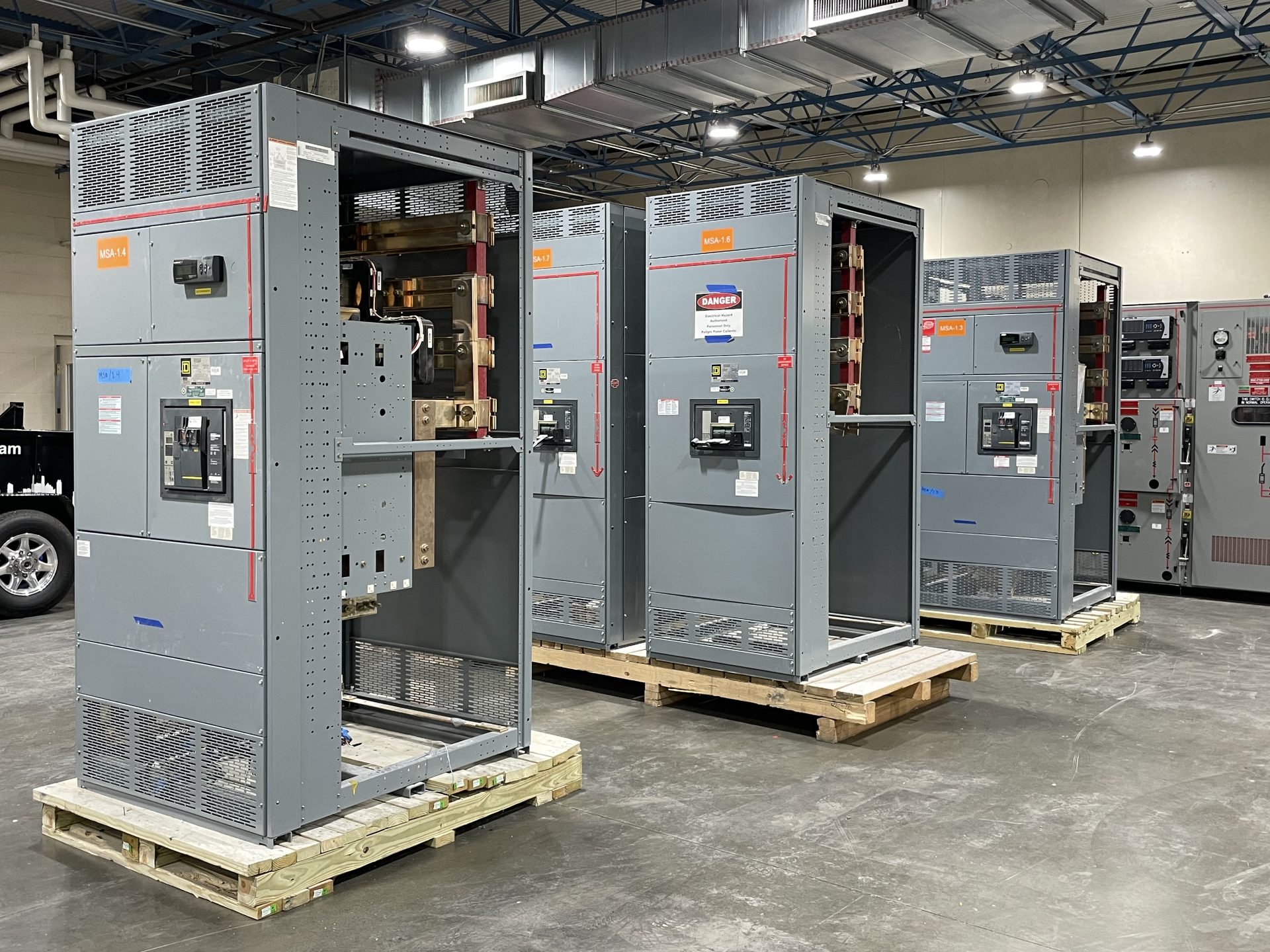
Equipment
Equipment and scope
An automatic transfer switch, or ATS, changes between power sources as part of a facility's power arrangement. The nameplate, enclosure, apparent number of units and any available connection drawings can help identify what is being offered. Do not operate a switch or conduct a transfer test for the purpose of requesting an offer.
Define what is available
Tell us whether your offer involves a single item, a connected lineup or a group of different electrical assets. Note any sections that are excluded and whether other parties must approve the sale. If you have an old inventory, you can use it as a starting point even when the present equipment count is uncertain. We can discuss the scope rather than requiring a perfectly prepared list. For automatic transfer switches, specify whether the transfer switches and associated cabinets are included in the proposed sale or will stay behind.
Identify the equipment safely
Nameplate photographs and a brief equipment description are a practical starting point. If you have a one-line drawing, inventory or model list already on hand, mention it as well. Avoid guessing at a voltage or opening a cabinet to read an interior label. The buyer can discuss missing information without making the seller responsible for hazardous inspection or electrical work. When identifying automatic transfer switches, the exterior nameplate and available connection drawings can help distinguish the items without assuming every section is identical.
Tell us the present condition
Let us know whether the gear is still installed, already detached or in storage, and whether obvious components are missing. Condition can be uncertain, especially after a facility closure; an honest description is more useful than a guess. You do not have to clean, repair, energize or run the equipment for us. The buyer can consider the information available when reviewing the lot. For automatic transfer switches, mention whether individual items are complete, separated or known to be missing; an unknown condition can simply be stated as unknown.
Consider access and site coordination
The route from the equipment to a truck can influence how removal is planned. Tell us about known doorways, stairs, loading areas, restricted hours or other work taking place nearby. If a property manager or contractor controls entry, identify the right contact. You do not need to measure every opening before calling; even a general description can guide a conversation about access. If items in the lot of automatic transfer switches are in separate areas, describe the locations so access can be discussed for each group.
Rigging, disconnects and freight are on us
You do not have to arrange disconnects, a crane, rigging, loading or a truck for the equipment. We handle all rigging and logistics, including the freight and hauling, and cover the freight cost. The removal method is planned around the actual lot and site conditions; tell us about known restrictions and let us coordinate the necessary work. If any part of the automatic transfer switches is connected to equipment that will remain on site, flag that boundary for the buyer's removal plan.
Electrical safety and no seller testing
Do not assume equipment is de-energized because a facility is closing or a device appears unused. Keep away from exposed components and use existing safe records or exterior photographs for identification. We do not require the seller to test equipment. The buyer coordinates disconnects and removal with the people responsible for the site and electrical safety. For automatic transfer switches, do not remove or operate components simply to confirm a label or demonstrate their condition.
How the offer and payment work
Once we understand the proposed equipment and location, we can discuss a cash offer and the terms for the sale. Payment is upfront. Because each lot and removal situation is different, an advertised universal price would not describe your equipment accurately. Ask about the offer and confirm the details that matter to you before committing. The offer for automatic transfer switches is based on the actual lot, so identify any included accessories and any equipment that is excluded.
Plan around the actual project
If the property is still operating or demolition is planned, explain any known access windows or dependencies. Other contractors, ownership approvals and site rules can affect coordination. We do not promise a particular turnaround without understanding those details. The buyer can work through the proposed schedule and removal plan with the seller and the appropriate site contacts. If not all of the automatic transfer switches can be released at once, explain which items belong to each proposed phase.
Request an offer
Contact us at (614) 715-3047 or saleselectricalbuyers@gmail.com to discuss the lot. You can also text safely obtained nameplate photos to that phone number. Include your contact information, company, equipment type, location and any known electrical ratings. If some details are missing, send what you have; we can discuss the next step without asking you to perform tests. When sending photographs of automatic transfer switches, say whether the images show the entire lot or only selected items.