Equipment by City
Equipment and scope
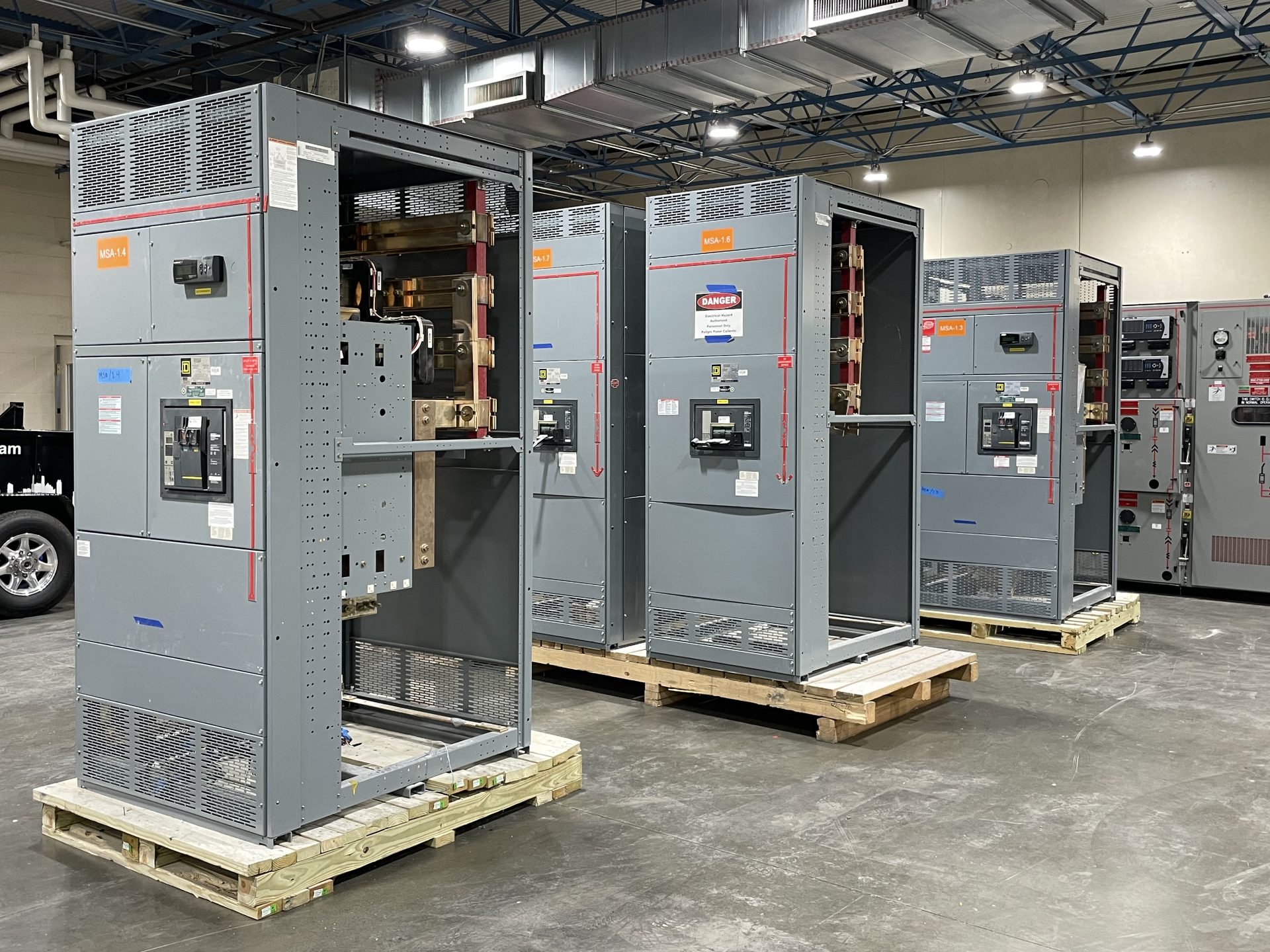
A switchboard may include a main section, distribution sections and installed protective devices. The overall arrangement and the labels on individual sections can matter as much as the main rating. If documentation is incomplete, a broad exterior view and a description of what is included are a useful starting point. For a Dayton project, tell us the location within the site and whether the equipment is still in place or already stored.
Define what is available
The first practical question is what the proposed lot includes. Describe the type and approximate quantity of equipment, the location within the site, and whether any related components are to remain behind. If equipment is spread across buildings or storage areas, let us know. Estimates and existing documentation can start the conversation; no dismantling is necessary to make a list. For switchboards in Dayton, specify whether the main and distribution sections are included in the proposed sale or will stay behind.
Identify the equipment safely
If safe, send a wide view of the gear and a legible photo of any exterior nameplate. Available records may also identify the manufacturer, model and ratings. Each photo should show enough context to connect the nameplate with the item in the lot. Please do not open electrical enclosures or put anyone near exposed equipment to gather information; existing pictures are acceptable. When identifying switchboards in Dayton, main-section labels and available panel schedules can help distinguish the items without assuming every section is identical.
Tell us the present condition
Equipment from a changeout or closure may have an incomplete history. Tell us what you know about its current location, visible completeness and whether it is attached to surrounding gear. Do not claim a working condition that has not been established, and do not perform tests on our account. The buyer will discuss the available information and the scope before making an offer. For switchboards in Dayton, mention whether individual items are complete, separated or known to be missing; an unknown condition can simply be stated as unknown.
Consider access and site coordination
When describing the site, mention any known route constraints, access rules or other activities that could affect removal. Multiple buildings or controlled areas should be identified separately if relevant. A responsible site contact can help coordinate entry and permissions. You do not need to stage equipment, hire a carrier or remove obstacles before making the first contact. If items in the lot of switchboards in Dayton are in separate areas, describe the locations so access can be discussed for each group.
Rigging, disconnects and freight are on us
Our buyer handles the full removal logistics, including crane, rigging, disconnects, loading, freight and hauling. We cover all freight. The seller does not have to dismantle the lineup, hire movers or deliver it to a warehouse. Each site's access and safety requirements need to be understood, so we discuss the practical plan and coordinate with the appropriate contacts. If any part of the switchboards in Dayton is connected to equipment that will remain on site, flag that boundary for the buyer's removal plan.
Electrical safety and no seller testing
Safety comes before collecting details. The seller should not energize, test, open or disconnect equipment for the buyer, and should not treat a closed facility as proof that gear is safe to touch. Existing photographs and documents are appropriate ways to start. The buyer handles the disconnect and removal work with the relevant site contacts and qualified personnel as appropriate. For switchboards in Dayton, do not remove or operate components simply to confirm a label or demonstrate their condition.
How the offer and payment work
The equipment type, identifiable ratings, completeness, location and removal scope can all inform the review of a lot. We offer cash and payment upfront, with the details discussed directly for each transaction. An initial inquiry is a way to explain what is available and request an offer, not a commitment to sell at an unstated price. The offer for switchboards in Dayton is based on the actual lot, so identify any included accessories and any equipment that is excluded.
Plan around the actual project
A useful project description includes any deadline you already know and the person responsible for access. If equipment must remain in service or another work crew controls the area, mention that constraint. We can discuss timing and logistics after reviewing the lot; an inquiry does not require you to establish a removal schedule in advance. If not all of the switchboards in Dayton can be released at once, explain which items belong to each proposed phase.
Request an offer
Contact us at (614) 715-3047 or saleselectricalbuyers@gmail.com to discuss the lot. You can also text safely obtained nameplate photos to that phone number. Include your contact information, company, equipment type, location and any known electrical ratings. If some details are missing, send what you have; we can discuss the next step without asking you to perform tests. When sending photographs of switchboards in Dayton, say whether the images show the entire lot or only selected items.